How Concrete Walls Improve Structural Stability and Drainage
Concrete wall construction by local contractors enhances structural stability and drainage, helping you achieve durable, secure, and well-drained boundaries for your property.
If you’re exploring ways to enhance the stability and drainage of your property, understanding how concrete walls contribute to these aspects can be highly beneficial. Concrete walls are known for their strength and durability, making them a practical solution for supporting structures and preventing soil movement. Properly constructed concrete walls can help maintain the integrity of your property’s foundation, especially in areas prone to shifting or erosion. For property owners in the area, working with experienced local contractors ensures that these walls are built to meet specific site needs, providing long-lasting support and improved drainage efficiency.
Investing in concrete walls can also address drainage concerns by controlling water flow around your property. Well-designed concrete barriers help direct water away from foundations and prevent pooling, reducing the risk of water damage over time. Local service providers who specialize in concrete wall construction understand the local soil conditions and climate factors that influence drainage and stability. By partnering with these professionals, property owners can gain tailored solutions that enhance the resilience of their landscape and structure, making concrete walls a practical choice for long-term stability and effective drainage management.
- Concrete wall construction is often needed for properties requiring enhanced structural stability in areas prone to soil shifting or erosion, with local contractors employing reinforced techniques to ensure durability. When improving drainage around foundations or landscaping, local service providers can install concrete walls designed to direct water flow and prevent pooling or flooding. For retaining walls that support terraced landscapes or prevent soil collapse, local pros focus on proper reinforcement and drainage integration to maintain long-term stability. In cases where existing structures need reinforcement against shifting ground or water intrusion, local contractors can customize concrete wall solutions to strengthen and stabilize the area. When designing barriers to manage water runoff or protect property boundaries, local service providers use concrete walls that optimize drainage while providing reliable support.
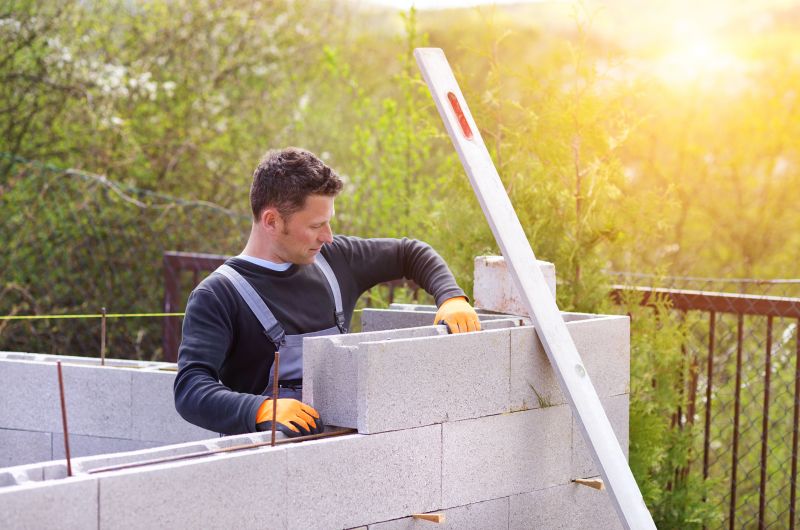
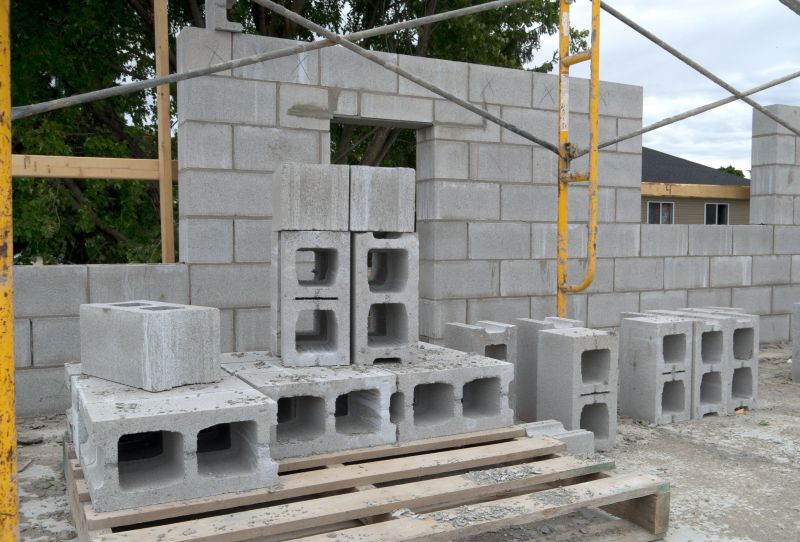
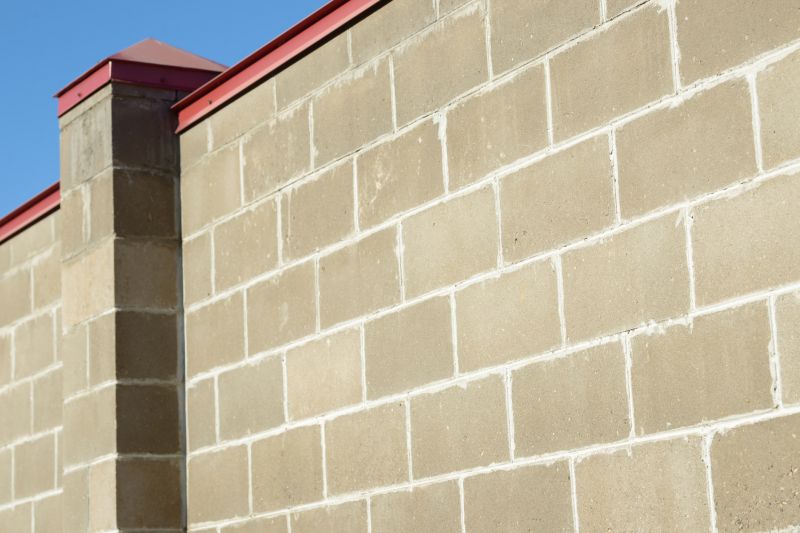
When people search for how concrete walls improve structural stability and drainage, they are often exploring solutions for strengthening the foundation of a property or managing water flow effectively. This topic tends to come up in the context of building or reinforcing retaining walls, basement foundations, or perimeter barriers around residential or commercial properties. Homeowners planning to prevent soil erosion, stabilize slopes, or improve the durability of underground structures typically look into concrete wall options. They want to understand how these walls can support the integrity of their property while also helping water drain away efficiently, reducing the risk of flooding or water damage.
Many property owners associate concrete walls with solving specific problems related to soil shifting, foundation movement, or water accumulation. For example, properties built on uneven terrain or hillside lots often require retaining walls to hold back soil and prevent landslides. Similarly, properties with poor drainage may experience pooling or water intrusion issues that concrete walls can help mitigate. When planning for a new construction or renovation, homeowners might also consider concrete walls as part of a broader strategy to improve overall property stability. Local contractors who specialize in concrete wall construction can assess these needs and recommend solutions that enhance both stability and drainage.
The types of properties that typically come up in discussions about concrete walls include residential homes, especially those with yards on slopes, as well as commercial properties with large outdoor spaces or foundation concerns. Suburban and rural homes often require retaining walls to manage uneven terrain, while urban properties may use concrete walls to create secure boundaries or support underground parking structures. In addition, properties prone to flooding or with high water tables may benefit from concrete walls designed to improve drainage. These projects often involve careful planning to ensure that the walls are constructed to withstand environmental pressures and facilitate proper water flow, which local service providers are experienced in managing.
Connecting to local concrete wall construction service providers is essential for property owners considering these projects. Experienced contractors can evaluate the specific conditions of a property, recommend appropriate wall designs, and ensure proper installation to maximize benefits. By working with local pros, homeowners can gain insights into the best materials and techniques for their situation, ensuring that concrete walls effectively improve structural stability and drainage. These professionals help turn planning ideas into practical solutions, addressing common concerns like soil movement, water runoff, and long-term durability. This approach ensures that the project supports the property's foundation while managing water flow efficiently, leading to a more stable and resilient property.
Retaining wall projects - local contractors specializing in retaining walls utilize concrete techniques to enhance soil stability and manage water drainage effectively.
Foundation construction - experts in foundation work often incorporate concrete walls to improve building stability and prevent water infiltration around structures.
Basement waterproofing systems - service providers working on basement drainage solutions frequently use concrete walls to control moisture and support structural integrity.
Landscape and garden walls - landscape contractors employ concrete walls to create durable, stable boundaries that also aid in water runoff management.
Underground utility enclosures - local specialists design concrete enclosures to protect utilities while ensuring proper drainage and structural resilience.
Erosion control barriers - erosion control projects often involve concrete walls to stabilize slopes and improve drainage in challenging terrains.
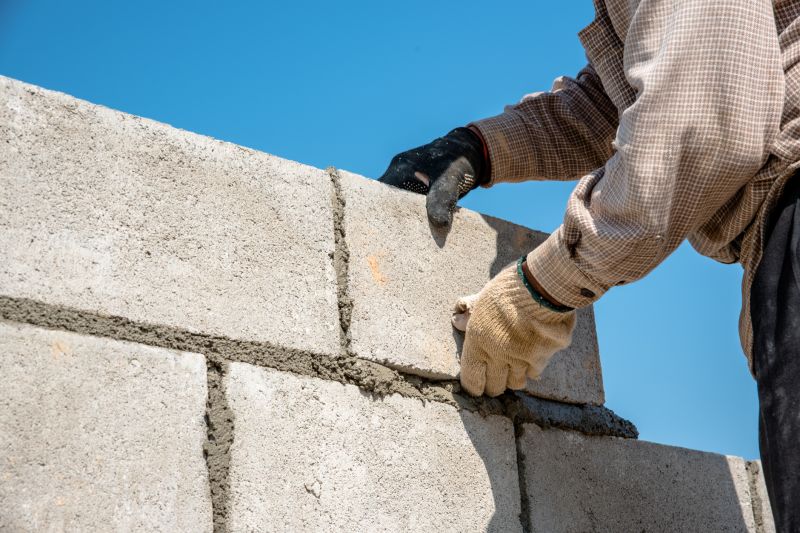
When comparing concrete wall construction service providers, it’s important to consider their experience with similar projects. Homeowners should look for local contractors who have a proven track record in building concrete walls that enhance structural stability and drainage. An experienced service provider will understand the specific requirements of different properties and soil conditions, ensuring that the walls are designed and constructed to effectively support the structure while managing water runoff. Verifying references or reviewing past work can provide insight into a contractor’s ability to deliver durable, reliable results that meet the demands of similar projects.
Clear, written expectations are essential when evaluating potential service providers. Homeowners should seek detailed proposals that outline the scope of work, materials to be used, and the methods for ensuring proper drainage and stability. This helps establish a shared understanding of the project’s goals and prevents misunderstandings down the line. A reputable contractor will be transparent about their process and provide documentation that clarifies what can be expected, making it easier to compare different options objectively.
Good communication is a key factor when choosing a local contractor for concrete wall services. An effective service provider will be responsive to questions, willing to discuss project details, and able to explain how their approach addresses the specific needs related to structural stability and drainage. Consistent and clear communication can help ensure that the project proceeds smoothly and that any concerns are addressed promptly. When considering different contractors, it’s helpful to assess how well they listen and how effectively they convey information, as this often reflects their professionalism and commitment to client satisfaction.
Property owners often search for how concrete walls improve structural stability and drainage when they are planning practical projects around their homes and businesses. Local pros provide Concrete Wall Construction services for everyday jobs and straightforward project options.
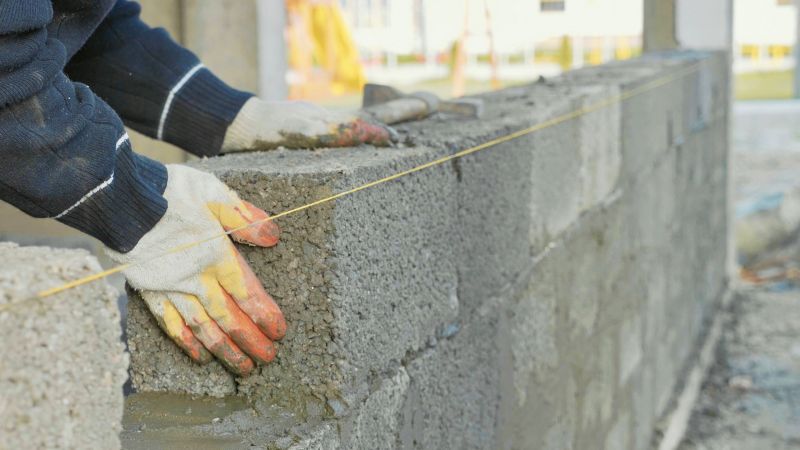
Concrete walls are a popular choice for property owners looking to enhance the stability of their structures. Their durability and strength help resist shifting or settling over time, which is especially important for retaining walls, foundations, or boundary enclosures. When properly built by local contractors, these walls can provide reliable support, reducing the risk of cracks or collapse that might compromise a property’s overall integrity. Additionally, concrete walls can be designed to withstand various weather conditions, making them a dependable solution for maintaining long-term structural stability.
Beyond supporting structures, concrete walls also play a key role in managing water drainage around a property. By creating effective barriers and channels, they help direct runoff away from foundations and prevent water accumulation that could lead to erosion or flooding. Local service providers experienced in concrete wall construction can help design and install systems that improve drainage, protecting the property’s landscape and foundation. This combination of stability and drainage management makes concrete walls a practical choice for property owners seeking a resilient, low-maintenance solution.
How do concrete walls enhance the structural stability of a building? Concrete walls provide strong support and resistance against various forces, helping to maintain the integrity of structures and prevent shifting or collapsing over time.
In what ways do concrete walls improve drainage around properties? Concrete walls can be designed with drainage features such as weep holes or slopes that facilitate water runoff, reducing the risk of water accumulation and related issues like flooding or erosion.
Why should I consider concrete walls for retaining purposes? Concrete walls are durable and capable of holding back soil effectively, preventing landslides or erosion, and ensuring long-term stability of landscaped or sloped areas.
Can concrete walls be customized to suit specific drainage needs? Yes, local contractors can incorporate drainage solutions into concrete wall designs, such as channels or perforations, to effectively manage water flow and prevent pooling.
What role do concrete walls play in overall property stability? Concrete walls contribute to the overall stability by providing robust support against environmental pressures, soil movement, and water-related challenges, ensuring the safety and durability of the property.
Enhancing foundation stability - property owners can work with local contractors to install concrete walls that provide robust support for building foundations, reducing shifting or settling over time.
Creating effective drainage solutions - concrete walls can be integrated into landscape designs to direct water away from structures, helping prevent water damage and erosion.
Adding structural reinforcement - local pros can help reinforce existing walls or build new ones that improve overall stability during adverse weather conditions.
Designing for soil pressure resistance - property owners might utilize concrete walls to withstand soil pressure, especially in hillside or retaining wall projects, with guidance from experienced service providers.
If you are thinking about how concrete walls improve structural stability and drainage for a property, this guide is meant to help you understand this topic, the typical project types, and how different options might fit your plans.
When you are ready, you can use the quote form on this page to share a few details about your project. From there, local pros can review the basics and follow up with options that match what you have in mind.