Common Problems With Aging Concrete Retaining Walls
People seeking concrete retaining walls repair often want to fix cracks, leaning, or deterioration, and local contractors can provide expert solutions to restore stability and strength.
Aging concrete retaining walls can develop a variety of issues over time, which may affect the stability and appearance of a property. Property owners in the area often notice cracks, shifting, or leaning in their walls, raising concerns about safety and long-term durability. Understanding the common problems associated with aging concrete retaining walls can help homeowners identify early warning signs and explore practical solutions. Local service providers specializing in concrete repair can assess these issues and recommend appropriate steps to restore strength and stability, ensuring the wall continues to serve its intended purpose effectively.
Exploring the challenges faced by aging concrete retaining walls is an important step for property owners looking to maintain their landscape and prevent costly damage. Problems such as water infiltration, erosion, and concrete deterioration are typical concerns that can compromise the wall’s integrity if left unaddressed. Fortunately, local contractors experienced in concrete repair have the skills to handle these common problems, offering options to reinforce, repair, or replace affected sections. Keeping informed about these issues can empower property owners to take timely action, helping to preserve the safety and value of their property for years to come.
- Concrete retaining walls repair services are often needed when cracks or bulges develop due to shifting soil or water damage, and local contractors can assess and stabilize the structure. When aging concrete walls show signs of deterioration or spalling, service providers can perform necessary repairs to restore strength and appearance. For walls experiencing drainage issues or erosion at the base, local pros can implement solutions to prevent further damage and improve stability. If a concrete retaining wall begins to lean or shift, experienced contractors can evaluate the cause and recommend appropriate reinforcement or rebuilding options. In cases where efflorescence or staining appears on the surface, service providers can address underlying issues and clean or restore the wall’s surface effectively.
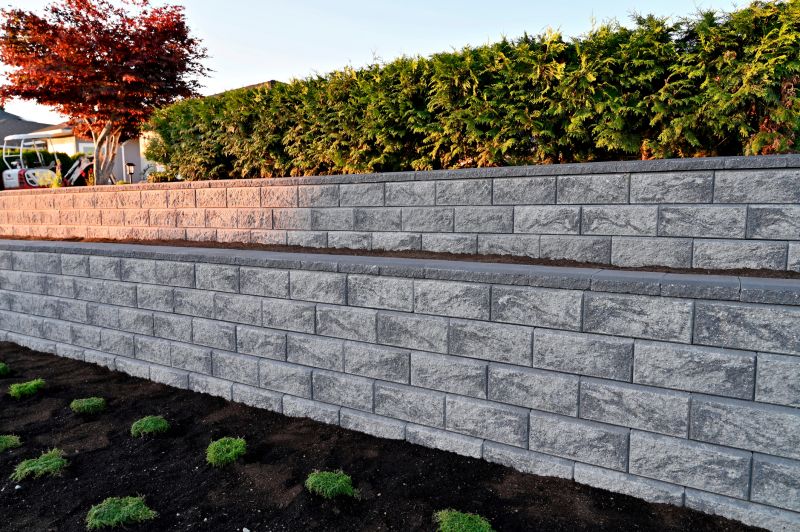
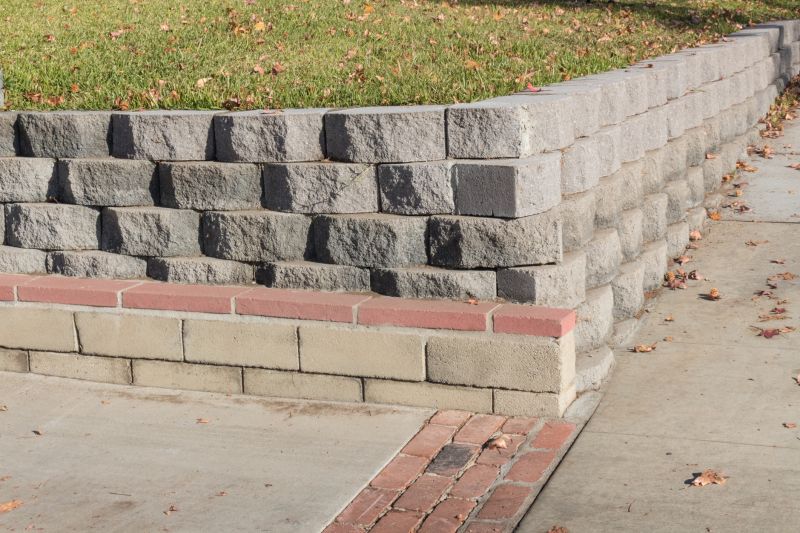
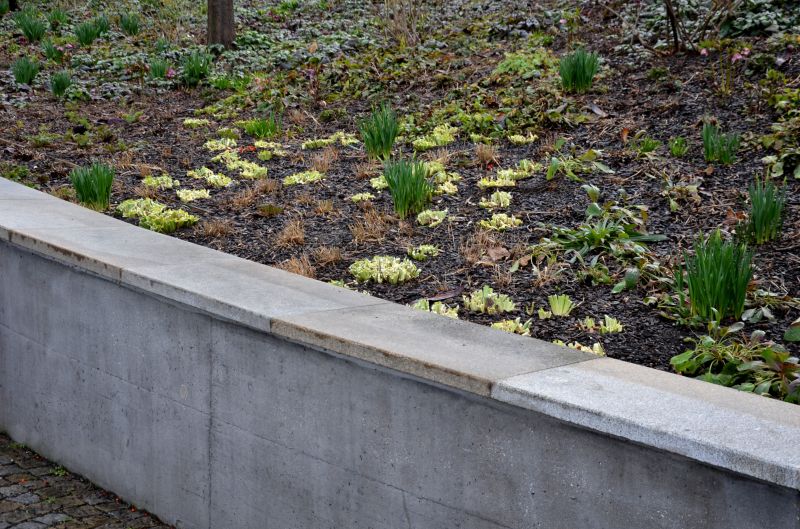
Many homeowners searching for information about common problems with aging concrete retaining walls are often concerned about the structural integrity and appearance of their existing walls. Over time, exposure to weather, soil conditions, and natural settling can lead to various issues that compromise the wall’s function and aesthetic appeal. These problems may include cracking, leaning, or bulging sections, which can signal underlying weaknesses or damage. Understanding these common issues helps property owners recognize when repairs or reinforcement might be necessary, and it highlights the importance of consulting experienced service providers who specialize in retaining wall repair.
The problems associated with aging concrete retaining walls are frequently linked to shifts in soil pressure, poor drainage, or material deterioration. For example, inadequate drainage can cause water to build up behind the wall, increasing pressure and leading to cracks or bowing. Similarly, concrete may develop surface cracks or spalling as it ages, especially if it was not properly mixed or cured during installation. These issues can threaten the stability of the wall and, if left unaddressed, may result in more extensive damage or even failure. Many property owners also explore repair plans that involve reinforcing or rebuilding sections of the wall to restore safety and functionality.
A variety of property types tend to feature concrete retaining walls that are susceptible to aging problems. These include residential yards with sloped landscapes, commercial properties with terraced parking areas, and public spaces like parks or community gardens. Homes with hillside lots often rely on retaining walls to prevent soil erosion and provide level areas for outdoor living, making the stability of these structures crucial. Commercial properties may have larger, more complex walls that support parking decks or landscaped areas. Regardless of property size or purpose, understanding the common issues that develop over time can help owners prioritize maintenance and seek professional repair services before small problems escalate into costly repairs.
Local service providers who specialize in concrete retaining wall repair play a key role in addressing these common problems. They can assess the condition of aging walls, identify signs of damage such as cracking or movement, and recommend appropriate solutions. Whether that involves patching cracks, reinforcing weakened sections, or rebuilding entire portions of the wall, experienced contractors have the skills to restore stability and extend the life of the structure. For property owners noticing early signs of aging or damage, connecting with local pros ensures that repairs are handled efficiently and effectively, helping to maintain the safety, appearance, and value of the property.
Retaining wall reconstruction projects involve similar planning and structural skills as repairing aging concrete retaining walls, requiring expertise in foundation and support systems.
Concrete foundation repair services are related because both involve addressing structural issues caused by settlement, cracking, or deterioration in concrete structures.
Landscape retaining wall installation projects share techniques for managing soil pressure and drainage, making them relevant to repairs of aging concrete walls.
Structural crack repair services focus on restoring integrity in concrete elements, aligning closely with solutions for common problems with aging concrete retaining walls.
Drainage system installation and repair are essential for preventing water-related damage, a common issue in aging retaining walls, requiring similar planning and execution skills.
Soil stabilization projects involve understanding soil behavior and support, which are key considerations when addressing issues in aging concrete retaining walls.
When evaluating service providers for concrete retaining walls repair, it is essential to consider their experience with similar projects involving aging concrete retaining walls. Homeowners should seek out local contractors who have a proven track record of addressing common problems such as cracking, shifting, or deterioration. An experienced contractor will understand the unique challenges posed by aging structures and be better equipped to recommend effective repair solutions based on their past work with similar issues.
Clear, written expectations are a vital part of selecting the right contractor. Homeowners should ensure that service providers communicate their scope of work, repair methods, and estimated timeline in a straightforward manner. This transparency helps prevent misunderstandings and ensures that all parties are aligned on project goals. Having detailed, written information also provides a reference point throughout the repair process, making it easier to evaluate progress and address any concerns that may arise.
Reputable references and strong communication skills are key indicators of a reliable local contractor. Homeowners are encouraged to ask for references from previous clients who had similar repairs performed. This feedback can provide insight into the contractor’s professionalism, quality of work, and ability to complete projects on time. Good communication, including prompt responses to questions and a willingness to explain repair options, fosters trust and ensures that homeowners feel informed and involved throughout the process. These qualities contribute to a smoother experience when addressing common problems with aging concrete retaining walls.
Property owners often search for common problems with aging concrete retaining walls when they are planning practical projects around their homes and businesses. Local pros provide Concrete Retaining Walls Repair services for everyday jobs and straightforward project options.
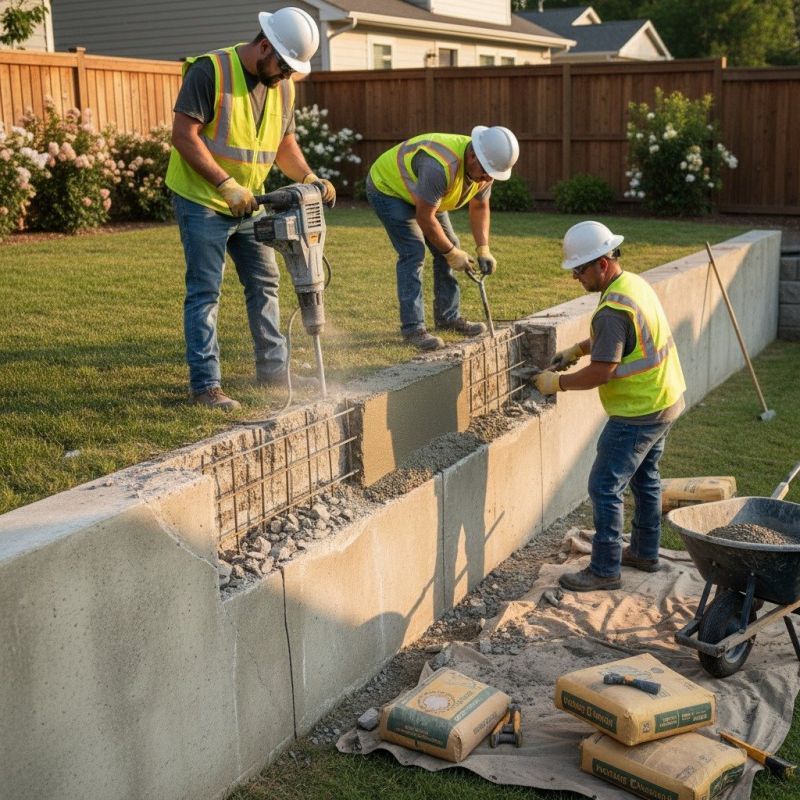
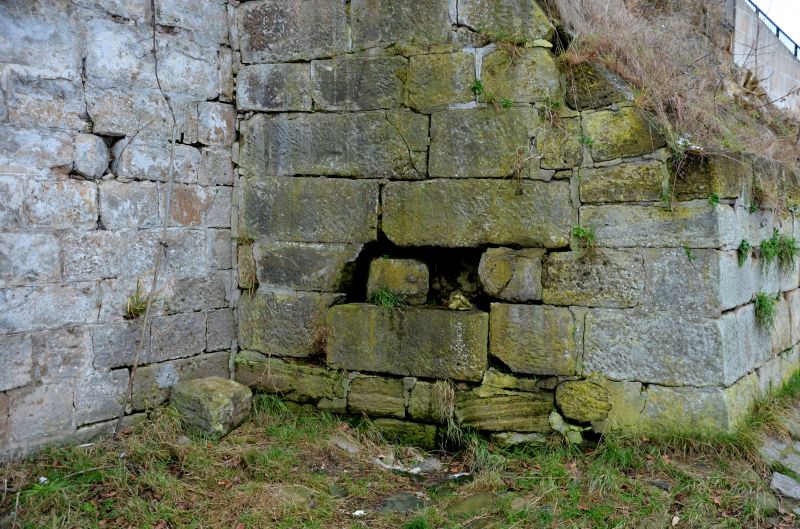
Many property owners in the area notice that their aging concrete retaining walls start showing signs of wear over time. Common problems with aging concrete retaining walls often include cracking, which can occur due to soil pressure or ground shifting, and surface deterioration like spalling or chipping. These issues may not only affect the appearance of the wall but could also compromise its structural integrity, making it necessary to seek repair solutions before more significant damage occurs. Homeowners frequently look up this topic when they see visible cracks or notice that the wall no longer holds back soil as effectively as it used to.
In addition to cracks and surface damage, shifting or leaning walls are common concerns for those with older concrete retaining structures. This movement can be caused by soil erosion, poor drainage, or the natural settling of the ground over time. When these problems arise, property owners often consider consulting local contractors who specialize in concrete retaining wall repair. These service providers can assess the situation, identify underlying issues, and recommend appropriate solutions to restore stability and prevent further damage, helping maintain the safety and appearance of the property.
What are common signs of damage in aging concrete retaining walls? Signs include cracking, bulging, leaning, or separation from the ground, which can indicate structural issues that require repair by experienced contractors.
Why does concrete in retaining walls tend to crack over time? Cracking often results from soil pressure, freeze-thaw cycles, or settlement, and local contractors can assess and repair these issues to restore stability.
How can water damage affect aging concrete retaining walls? Water infiltration can weaken the concrete and cause erosion or corrosion of reinforcement, leading to deterioration that repair specialists can address with appropriate solutions.
What causes leaning or bulging in older concrete retaining walls? Structural failure due to soil pressure, poor drainage, or foundation issues can lead to leaning or bulging, which local repair providers can correct to prevent collapse.
When should a concrete retaining wall be repaired or replaced? If signs like significant cracking, leaning, or erosion are present, it’s advisable to consult with local contractors to determine whether repair or replacement is necessary for safety and longevity.
Assessing structural stability - property owners can evaluate signs of shifting or cracking in their retaining walls and seek out local contractors to perform necessary repairs.
Addressing drainage issues - ensuring proper water management around aging concrete walls can prevent further deterioration, with local service providers offering drainage solutions.
Repairing cracks and surface damage - small cracks can be stabilized early on by local pros to prevent more extensive damage and maintain wall integrity.
Reinforcing weakened sections - areas showing signs of wear can be reinforced or rebuilt by experienced contractors to extend the lifespan of the retaining wall.
If you are thinking about common problems with aging concrete retaining walls for a property, this guide is meant to help you understand this topic, the typical project types, and how different options might fit your plans.
When you are ready, you can use the quote form on this page to share a few details about your project. From there, local pros can review the basics and follow up with options that match what you have in mind.